Environmental Benchmarking of Wood Wool Binders: Cement vs Magnesite vs Biopolymer
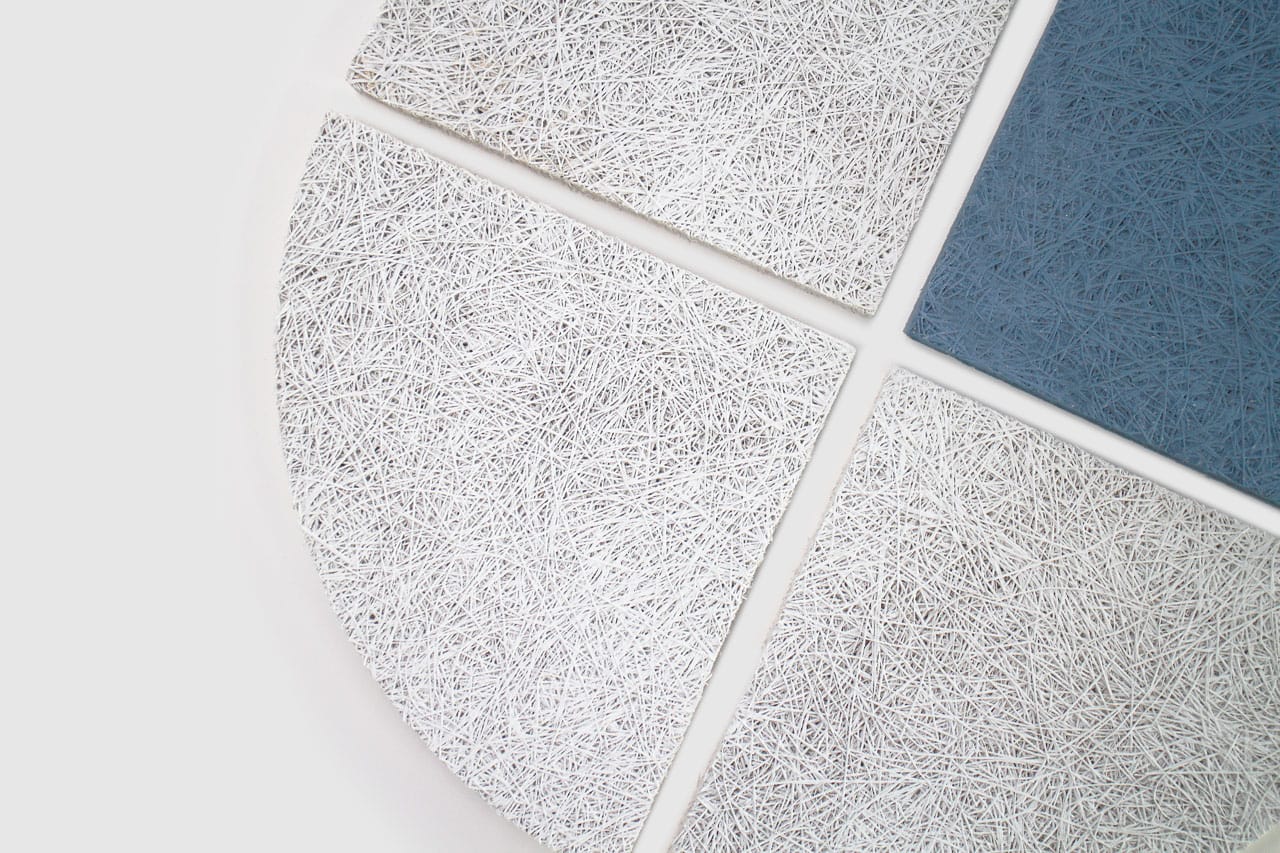
Environmental Benchmarking of Wood Wool Binder Systems
Wood wool panels are increasingly specified for acoustic, thermal, and interior surface applications due to their renewable fibre base and robust functional performance. However, the environmental profile of these panels is strongly influenced not by the wood fibres themselves, but by the mineral or polymer binder used to consolidate them. Cement, magnesite, and emerging biopolymer binders each present distinct environmental trade-offs in terms of embodied carbon, energy intensity, durability, and end-of-life behaviour. Environmental benchmarking of these binder systems is therefore critical for designers and manufacturers seeking to optimise wood wool panels within low-carbon and circular construction strategies.
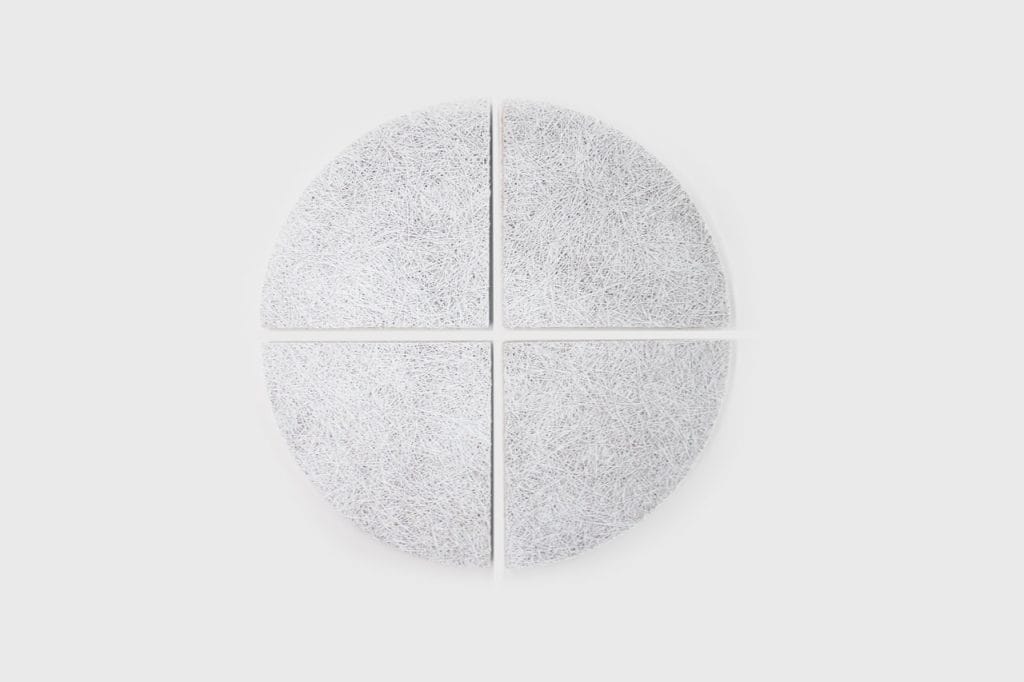
Binder Chemistry and Production Pathways
Cement-Based Binders
Portland cement remains the most widely used binder for wood wool panels due to its mechanical stability, moisture resistance, and established supply chains. Cement production, however, is highly energy intensive and responsible for significant process-related CO₂ emissions arising from limestone calcination. Life cycle assessments consistently identify cement as the dominant contributor to embodied carbon in cement-bonded wood products, often outweighing the carbon sequestration benefit of the wood fibres themselves¹. While partial substitution with supplementary cementitious materials can reduce impacts, cement-based binders generally exhibit the highest global warming potential among wood wool systems.
Magnesite-Based Binders
Magnesite binders are produced from magnesium oxide derived from magnesite or seawater sources. Compared to Portland cement, magnesite binders can require lower calcination temperatures and may offer reduced embodied energy depending on raw material sourcing and processing routes². In wood wool panels, magnesite binders are valued for their acoustic performance, dimensional stability, and compatibility with wood fibres. Environmental studies indicate that while magnesite binders typically perform better than cement in terms of carbon emissions, their impact varies widely based on kiln technology, transport distances, and curing conditions³.
Biopolymer and Alternative Mineral Binders
Recent research has explored bio-based and geopolymer binders as alternatives to conventional mineral systems. These include alkali-activated binders, starch-based polymers, and other low-temperature curing matrices designed to reduce fossil energy input. Experimental studies on wood wool panels bonded with alternative binders demonstrate meaningful reductions in embodied carbon and non-renewable energy demand when compared to cement systems⁴. However, these solutions are still emerging, with long-term durability, fire performance, and large-scale manufacturability remaining key areas of investigation.
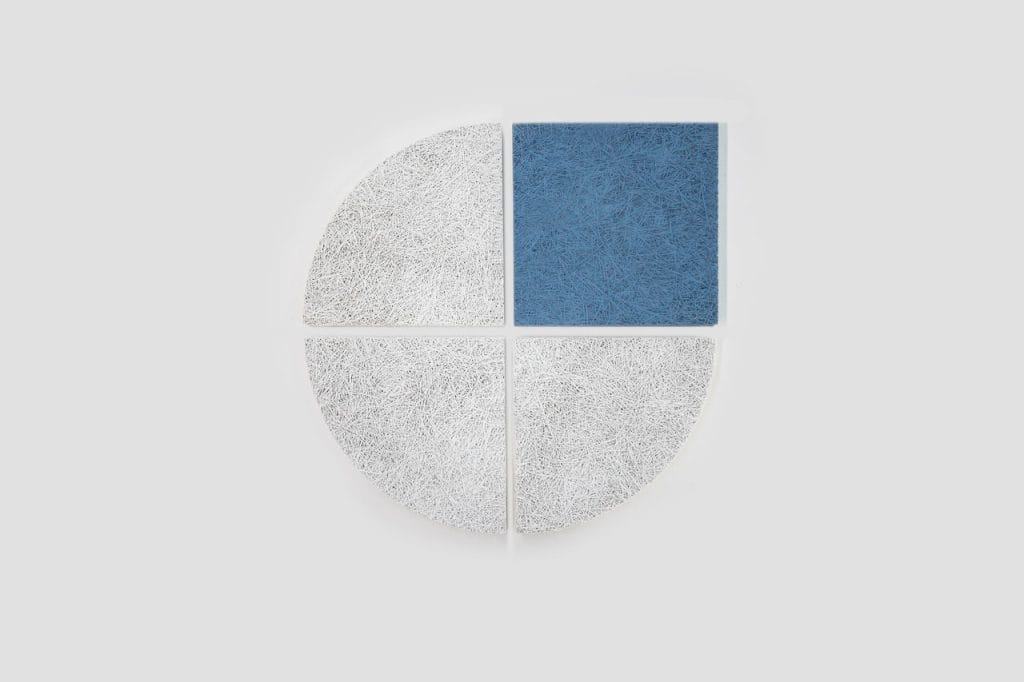
Comparative Environmental Performance Metrics
Across published life cycle assessments, global warming potential, cumulative energy demand, and resource depletion emerge as the most relevant indicators for benchmarking wood wool binders. Cement-bonded panels consistently exhibit the highest cradle-to-gate emissions, largely due to clinker production¹. Magnesite systems occupy an intermediate position, with lower CO₂ emissions but sensitivity to sourcing and processing variables². Biopolymer and geopolymer binders show the lowest embodied impacts in laboratory and pilot-scale assessments, though system boundaries and data maturity remain limiting factors⁴.
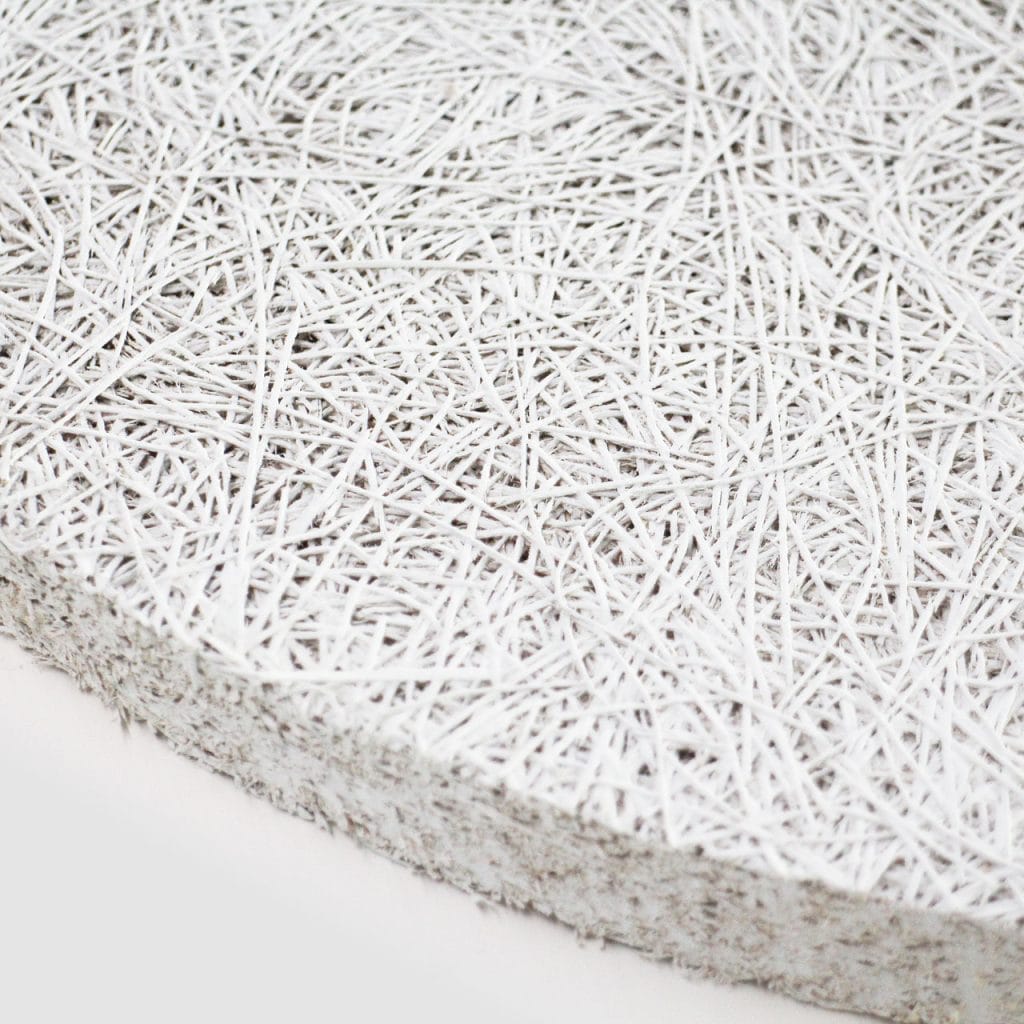
Durability, Service Life, and Functional Trade-Offs
Moisture Resistance and Longevity
Binder selection directly affects the service life of wood wool panels, particularly in humid or semi-exposed environments. Cement binders offer strong resistance to moisture and biological degradation, supporting long service lives with minimal maintenance. Magnesite binders perform well acoustically but can be sensitive to prolonged moisture exposure if not properly formulated³. Biopolymer systems, while environmentally advantageous, currently require careful detailing and protective measures to ensure durability comparable to mineral binders.
Fire Performance and Regulatory Compliance
Fire behaviour is a critical consideration in binder benchmarking. Cement and magnesite binders both contribute to favourable reaction-to-fire classifications due to their inorganic composition. Research indicates that magnesite-bonded wood wool panels can achieve comparable fire performance to cement-bonded variants when tested as part of an assembly³. Biopolymer binders introduce additional challenges, as organic matrices may require flame retardants or hybrid formulations to meet regulatory requirements, potentially offsetting some environmental gains.
Circularity and End-of-Life Considerations
Recyclability and Material Recovery
End-of-life scenarios differ significantly between binder systems. Cement-bonded panels are typically down-cycled as aggregate, with limited material recovery potential. Magnesite systems may allow similar recovery pathways, though separation of fibres and binder remains challenging². Biopolymer binders offer greater theoretical compatibility with circular material flows, including potential biodegradation or low-impact recycling routes, provided that additives and coatings do not inhibit recovery⁴.
Alignment with Environmental Certification Frameworks
Environmental product declarations increasingly require transparent reporting of binder composition and impacts. Panels using lower-carbon binders are better positioned to contribute positively to whole-building life cycle assessments and green building rating systems. Comparative studies show that reducing binder-related emissions can significantly improve the overall environmental profile of wood wool panels, even when fibre sourcing remains constant⁵.
Toward Lower-Impact Wood Wool Binder Systems
Environmental benchmarking of wood wool binders reveals that binder selection is the dominant factor shaping the sustainability profile of these panels. Cement binders deliver durability and regulatory familiarity but carry substantial embodied carbon penalties. Magnesite binders reduce environmental impact while maintaining performance, though their benefits are context-dependent. Biopolymer and alternative mineral binders show the greatest potential for transformative reductions in emissions, yet require further validation at scale. As regulatory pressure and market demand for low-carbon materials intensify, binder innovation will play a central role in advancing wood wool panels from a partially sustainable product toward a fully optimised, circular building material.
References
Zhang, Y., Wang, H., Li, J., & Chen, Z. (2025). Development of a Mineral Binder for Wood Wool Acoustic Panels with a Reduced Carbon Footprint. Materials, 18(21).
Novák, M., Kovalčíková, A., & Estoková, A. (2024). Utilization of geopolymer in wood wool insulation boards. Resources, Conservation & Recycling, 199.
Yang, T., Zhang, H., & Li, X. (2018). Study on factors affecting the sound absorption property of magnesia-bonded wood wool panel. Wood Research, 63(4).
Peng, J., Lu, L., & Yang, H. (2022). Building-Integrated Photovoltaic (BIPV) products and systems: A review of energy-related behavior. Energy and Buildings, 276.
Ascione, F., Bianco, N., De Masi, R. F., & Vanoli, G. P. (2025). Building Integrated Photovoltaics: a multi-level design approach. Renewable and Sustainable Energy Reviews, 191.
Mischke, J., Polo López, C. S., & Schrag, A. (2022). Fire safety requirements for building integrated photovoltaics: A comparison of normative frameworks. Renewable and Sustainable Energy Reviews, 168.
Zhang, X., Wang, Y., & Li, J. (2025). Prospective life cycle analysis of a BIPV façade. Energy and Buildings, 301
Share