Biophilic Acoustic Materials Enhancing Wellbeing Through Natural Textures

The Convergence of Acoustics, Nature, and Human Health
As interior environments become denser, more enclosed, and increasingly technology driven, designers are reevaluating how materials influence both sensory comfort and human wellbeing. Biophilic acoustic materials—those that combine sound absorbing performance with natural textures and visual cues—have emerged as a critical design response. Rooted in biophilic design theory, these materials address acoustic comfort while reinforcing humans’ innate connection to nature, supporting psychological health, cognitive function, and overall indoor environmental quality.¹ Increasingly, this approach is reflected in mineral and fibre based acoustic systems that prioritise material honesty, durability, and long-term environmental performance, such as contemporary wood wool solutions including Ljuds™.

Foundations of Biophilic Acoustic Design
Biophilia and the Human–Nature Connection
Biophilic design is based on the premise that humans possess an inherent affinity for natural systems and materials. Research in environmental psychology demonstrates that exposure to natural textures, patterns, and materials can reduce stress, improve mood, and enhance cognitive performance.² When integrated into interior surfaces, biophilic acoustic materials leverage this connection by introducing wood fibres, mineral aggregates, and organic textures into spaces that would otherwise feel artificial or acoustically harsh. Wood wool acoustic panels, including systems such as Ljuds™, exemplify this balance by combining visible natural fibres with engineered acoustic performance.
Acoustic Comfort as a Wellbeing Indicator
Sound plays a decisive role in how spaces are perceived and experienced. Excessive reverberation, background noise, and poor speech intelligibility contribute to fatigue, reduced concentration, and lower productivity.³ Biophilic acoustic panels mitigate these effects by absorbing mid and high frequency sound energy while visually softening interiors, creating environments that feel calmer, warmer, and more human centred. Mineral bound wood-wool panels are particularly effective in this role, offering consistent absorption across learning, workplace, and public environments without relying on concealed synthetic layers.
Natural Textures as Multi-Sensory Design Elements
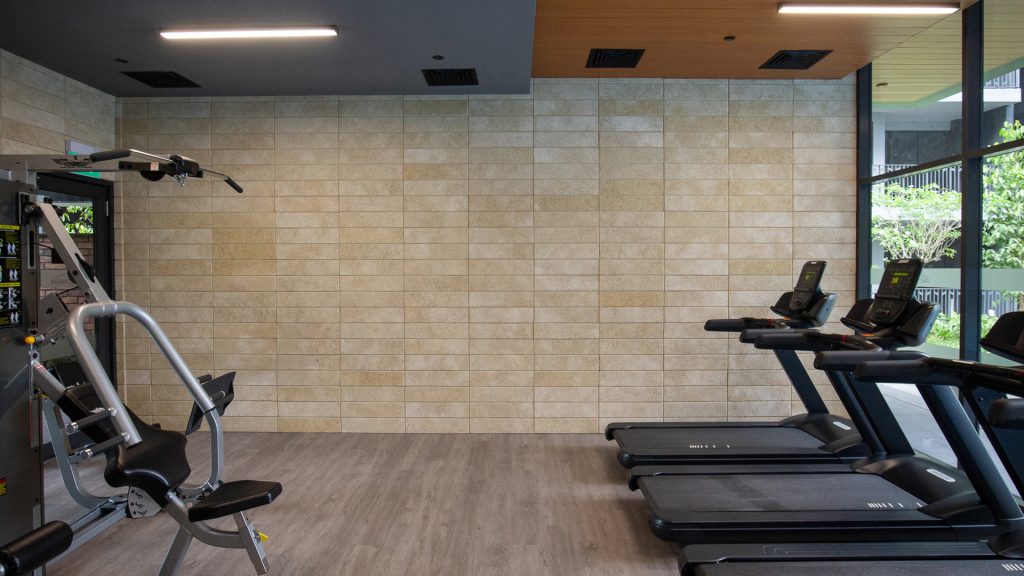
Unlike conventional synthetic absorbers, biophilic acoustic materials engage multiple senses simultaneously. Wood wool, cork, mineral bound fibres, and textured timber surfaces provide tactile and visual richness alongside acoustic absorption. These materials introduce irregularity and depth that align with natural environments, reinforcing spatial comfort beyond purely auditory metrics.⁴ Systems such as Ljuds™ retain this material expression while remaining robust enough for high traffic architectural applications.
Material Science Behind Biophilic Acoustic Panels
The performance of biophilic acoustic materials is underpinned by porous structures that dissipate sound energy through friction and airflow resistance. Wood wool panels, for example, combine shredded wood fibres with mineral binders to create open matrices that balance absorption, durability, and fire performance.⁵ This construction method, used in products like Ljuds™, enables acoustic control while maintaining dimensional stability and long term surface integrity. Similarly, natural fibre composites and mineral based acoustic panels can regulate humidity and contribute to stable indoor microclimates, extending their functional value beyond acoustics alone.

Health Performance Considerations
Low-VOC Emissions and Indoor Air Quality
Health conscious interiors require materials that emit minimal volatile organic compounds (VOCs). Many biophilic acoustic materials are inherently low VOC due to their bio-based composition and limited use of synthetic binders. Such materials support healthier indoor air quality and reduce occupant exposure to airborne pollutants.⁶
Moisture Regulation and Hygrothermal Stability
Natural acoustic materials often exhibit hygroscopic properties, allowing them to absorb and release moisture in response to ambient conditions. This helps stabilise indoor humidity levels, supporting occupant comfort and reducing the risk of condensation related degradation.⁵ Together with acoustic absorption, moisture regulation strengthens the role of biophilic materials as contributors to holistic indoor environmental performance.
Designing with Biophilic Acoustics in Contemporary Interiors
Biophilic acoustic materials represent a meaningful evolution in how sound control is approached within the built environment. By merging acoustic performance with natural textures, these materials address both physiological and psychological dimensions of comfort. Systems such as Ljuds™ demonstrate how wood wool acoustics can reduce reverberation, improve speech clarity, regulate moisture, and minimise chemical emissions while maintaining a visually honest material language.
As research continues to demonstrate the benefits of nature integrated design, biophilic acoustics offer architects and designers a practical, evidence based means of enhancing wellbeing without sacrificing technical performance—transforming interiors into environments that not only perform well, but feel inherently right.
Partner with Ljuds for Acoustic Panel Solutions
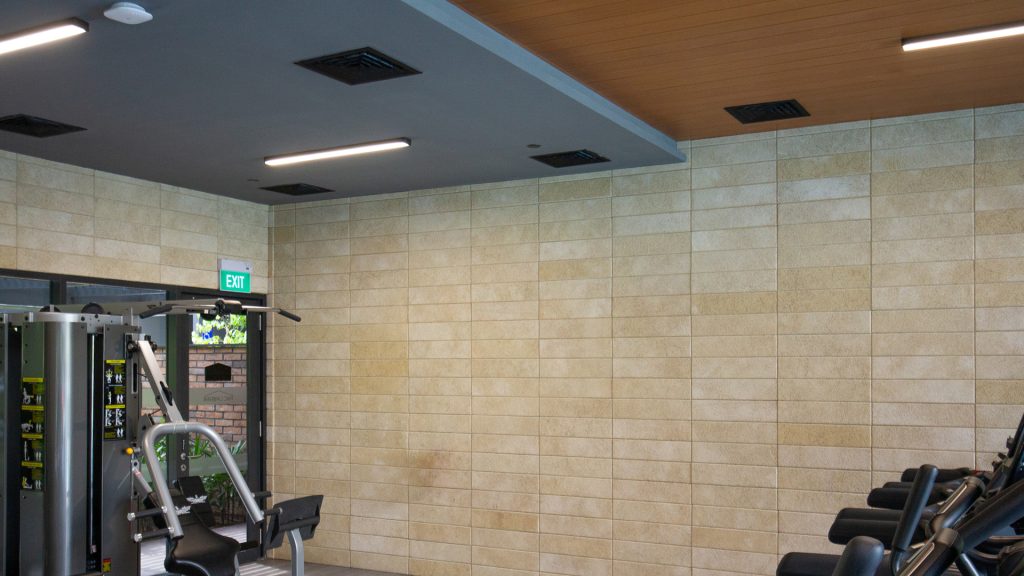
When designing or upgrading interiors that require both acoustic performance and material authenticity, Ljuds offers wood wool acoustic panel solutions that balance sound control with natural expression. Engineered to reduce reverberation and improve speech clarity, Ljuds panels support acoustically comfortable spaces across workplaces, education facilities, healthcare interiors, and public environments. Their mineral bound wood wool composition delivers reliable absorption, moisture stability, and low emission performance while maintaining a visually honest, biophilic aesthetic.
To see how Ljuds panels contribute to healthier, well balanced interiors, explore how they have been applied across contemporary projects to support sound conscious design.
References
Kellert, S. R., Heerwagen, J., & Mador, M. L. (2008). Biophilic Design: The Theory, Science and Practice of Bringing Buildings to Life. Wiley.
Terrapin Bright Green (2014). 14 Patterns of Biophilic Design.
Egan, M. D. (2007). Architectural Acoustics. McGraw-Hill Education.
U.S Environmental Protection Agency (2026). Indoor Air Quality (IAQ).
U.S. Green Building Council (2026). Environmental Product Declarations.
- International WELL Building Institute (2023). WELL Building Standard.
Eduardo, S. (2019). Material Matchmaking: When wood engages with contemporary counterparts. ArchDaily
Share