
The Evolving Role of Acoustic Design
Acoustic Design is no longer an afterthought—it has become a cornerstone of modern architecture, driving functionality, comfort, and sustainability. As 2025 unfolds, advancements in Acoustic Solutions are setting new standards for spaces that require optimal sound management. Ljuds, a leader in the field, combines innovative materials like Wood Wool Panels and Soundproofing Wool Insulation to create quieter, greener, and more efficient interiors.
This evolution in Acoustic Design reflects the broader architectural trend toward sustainability. Solutions that combine eco-conscious practices with high performance, such as NRC-Rated Wood Wool Panels, are now integral to projects across sectors, from educational spaces to cultural venues.
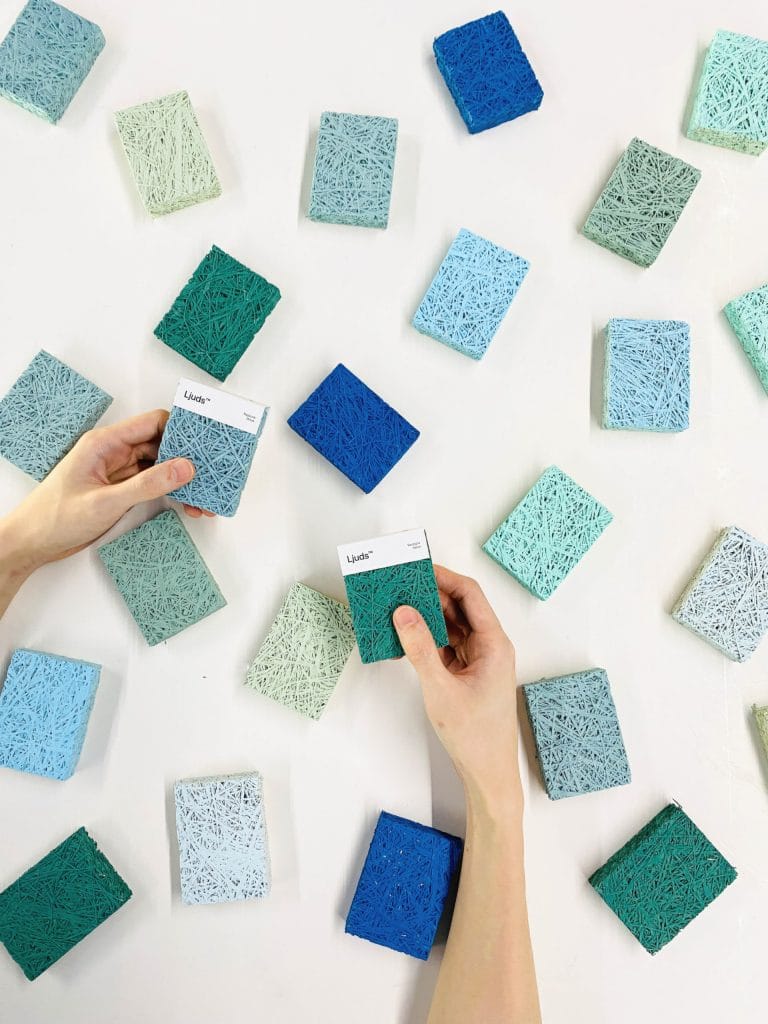
Key Trends Defining Acoustic Design
The field of Acoustic Design is undergoing rapid innovation, driven by demands for better noise control, enhanced sustainability, and modern aesthetic integration. Below are three key trends shaping the industry, with Ljuds at the forefront of these developments.
Advanced Multi-Layer Acoustic Systems
The integration of multi-layer Soundproofing Solutions is revolutionizing Acoustic Design. These systems combine materials like Mineral Wool and Wood Wool Panels to provide a comprehensive approach to noise control. Each layer targets specific sound frequencies, resulting in improved sound absorption and reduced Reverberation.
Such systems are particularly effective in environments like lecture halls, theaters, and high-traffic public spaces. By using Soundproofing Wool Insulation, Ljuds ensures its designs meet the specific Acoustic Needs of each space while maintaining aesthetic harmony.
Parametric Tools Redefining Customization
With tools like Rhino 3D and Grasshopper, architects are now able to design Acoustic Panels with unprecedented precision. These parametric tools allow for the creation of custom Wood Wool Panel configurations tailored to unique architectural requirements.
This approach ensures not only functional success but also seamless integration into the visual character of a space. Ljuds applies parametric designs in diverse projects, ensuring optimized Sound Panel Placement and contributing to the growing trend of combining performance with artistry.
Emphasis on NRC Sound Ratings
NRC Ratings, which measure a material’s sound absorption capability, are becoming a critical factor in Acoustic Design. High NRC-Rated Materials, such as Wood Wool Panels, are prized for their ability to significantly reduce noise and Reverberation in challenging environments.
Ljuds prioritizes NRC Sound Ratings in its material selection, ensuring its Acoustic Solutions meet or exceed industry standards. This focus enhances comfort, communication, and productivity in the spaces it designs, from office environments to public venues.
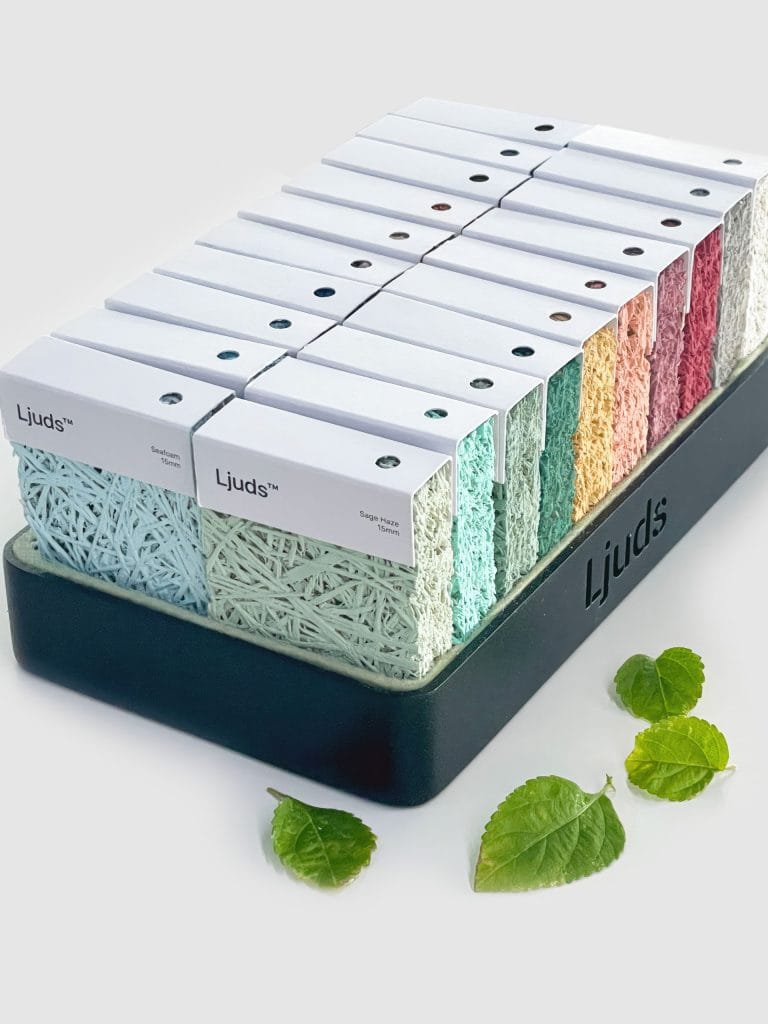
Why Wood Wool Panels Are Essential
Acoustic Design would be incomplete without the integration of innovative materials like Wood Wool Panels. These panels provide unmatched benefits that cater to the unique demands of modern architectural spaces.
Unparalleled Noise Absorption
Wood Wool Panels excel at absorbing sound across a wide range of frequencies. Their porous composition effectively traps sound waves, reducing echoes and creating balanced Acoustic Environments. Whether used in classrooms, conference halls, or residential spaces, these panels ensure clarity and comfort.
A Sustainable Design Choice
Sustainability is a key driver in the selection of Wood Wool Panels. Made from renewable materials, these panels align with the principles of Green Building Design. Their low-VOC composition promotes healthier indoor air quality, while their durability reduces the need for replacements, minimizing environmental impact over the long term.
Practical Applications of Wood Wool Panels
- Educational Institutions: Classrooms and libraries benefit from quieter spaces where distractions are minimized, improving focus and learning outcomes.
- Workspaces: Open-plan offices are transformed into productive hubs with Soundproofing Wool Insulation that enhances speech clarity and reduces background noise.
- Public Venues: Museums, galleries, and theaters create immersive experiences by utilizing Wood Wool Acoustic Wall Panels that manage Reverberation and enhance Soundscapes.

Future Outlook: Ljuds and Acoustic Design
The future of Acoustic Design is being shaped by innovators like Ljuds, who are redefining industry standards with sustainable and high-performance solutions. By integrating parametric tools with high-performance materials like Wood Wool Panels, Ljuds creates solutions that meet the demands of modern architecture while addressing environmental concerns.
The future of Acoustic Design lies in balancing functionality, sustainability, and aesthetics. Ljuds’ approach ensures that every project delivers superior Acoustic Performance without compromising on design or ecological responsibility. With innovations such as NRC-Rated Soundproofing Wool Insulation and creative parametric configurations, Ljuds is setting a new benchmark for excellence in Acoustic Design.
As the industry evolves, materials like Wood Wool Panels will continue to play a central role in shaping quieter, healthier, and more sustainable spaces. Architects, designers, and builders can look to Ljuds for inspiration and leadership in crafting interiors that are Acoustically Optimized and Environmentally Conscious.
References
- Green Building Advisor. (2023). Innovations in Sustainable Acoustic Materials. Retrieved from Green Building Advisor
- Soundproof Living. (2023). NRC Ratings and Their Role in Acoustic Design. Retrieved from Soundproof Living
- ArchDaily. (2023). Parametric Tools in Acoustic Panel Design. Retrieved from ArchDaily
- Interior Design Magazine. (2023). Creative Applications of Acoustic Panels. Retrieved from Interior Design Magazine
- PolyxWall. (2024). Wood Wool Acoustic Panel Innovations. Retrieved from PolyxWall
Share