LEED v4.1 Optimisation Using Wood Wool Acoustic Panels and EPD Data
Sustainability and Performance in Contemporary Building Design
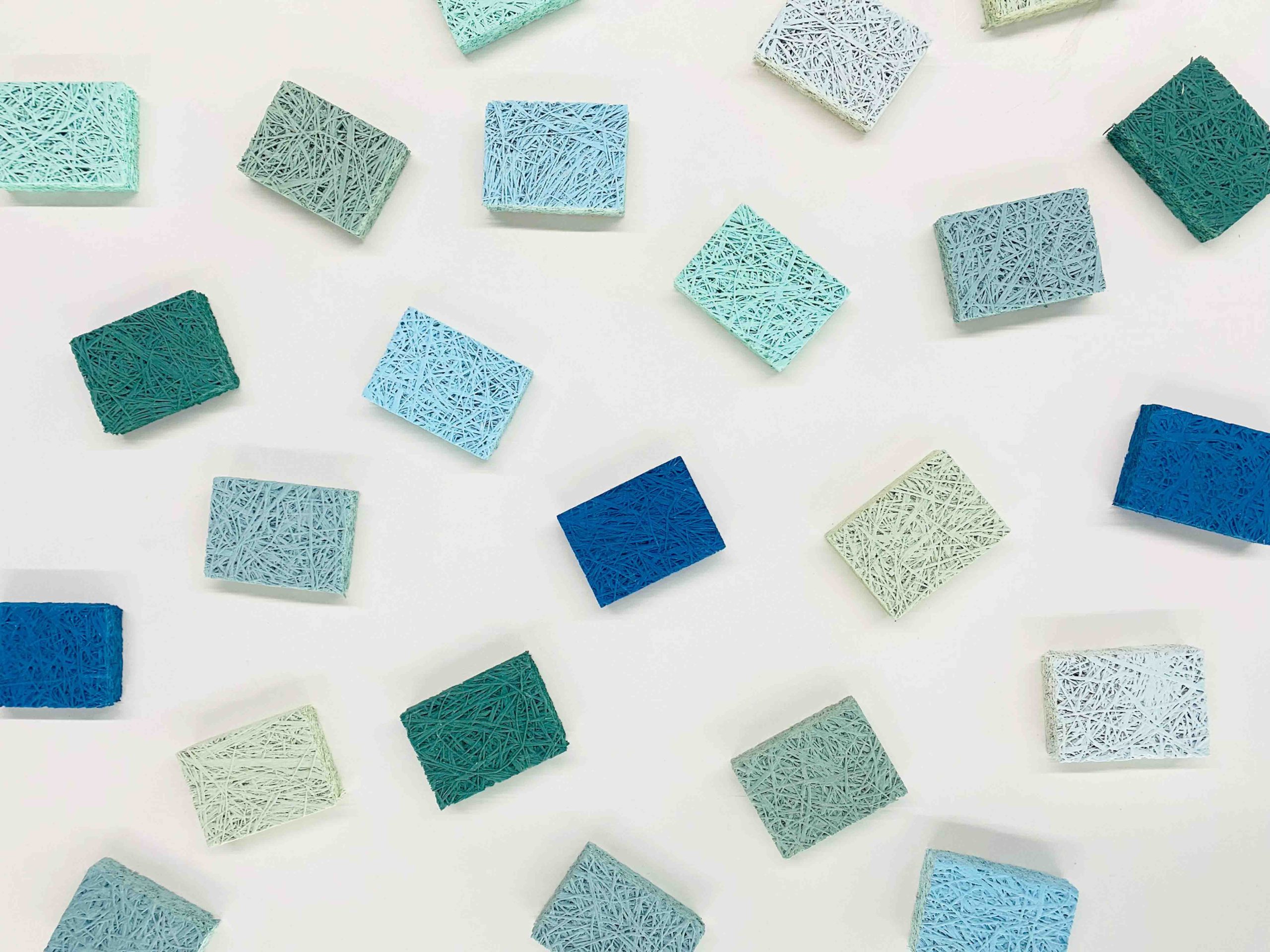
Sustainability certification has become a central driver of material selection in contemporary architecture, particularly for commercial, education, and institutional projects. LEED v4.1 places increased emphasis on performance verification, transparency, and lifecycle impacts rather than prescriptive material categories. Within this framework, wood wool acoustic panels supported by Environmental Product Declaration (EPD) data offer a compelling pathway to align acoustic comfort with environmental accountability, enabling project teams to optimise multiple LEED credits simultaneously.
LEED v4.1 Credit Pathways Relevant to Acoustic Materials
Low-Emitting Materials and Indoor Environmental Quality
LEED v4.1 strengthens requirements for indoor air quality by focusing on verified emissions performance rather than material type alone. Acoustic panels are evaluated based on volatile organic compound (VOC) emissions from binders, coatings, and finishes. Wood wool panels manufactured with mineral binders and low-emission surface treatments can support compliance with low-emitting material thresholds, contributing to Indoor Environmental Quality credits while maintaining robust acoustic performance¹.
Material Disclosure and Environmental Product Declarations
The Materials and Resources category in LEED v4.1 prioritises transparency through third-party verified disclosures. Products supported by product-specific or industry-wide EPDs contribute toward credits that reward life cycle impact reporting and reduction². Wood wool acoustic panels with published EPDs allow project teams to document embodied carbon, energy use, and other environmental indicators, supporting informed comparison against alternative acoustic solutions.
Acoustic Performance and Occupant Experience
Although LEED does not prescribe specific acoustic materials, acoustic comfort plays an indirect role in occupant satisfaction and overall building performance. Wood wool panels support reverberation control and speech intelligibility in offices, classrooms, and shared spaces, reinforcing the broader objectives of LEED v4.1 related to occupant wellbeing and productivity. Their integration enables acoustic design strategies that complement sustainability goals rather than competing with them.

Using EPD Data to Support Performance-Based Decisions
EPDs provide quantified environmental data across a product’s life cycle, typically following EN 15804 and related programme instructions. For wood wool acoustic panels, EPDs reveal the influence of raw material sourcing, binder chemistry, manufacturing energy, and transport on overall environmental impact³. This data enables project teams to make evidence-based decisions, selecting panel configurations that balance acoustic requirements with lower global warming potential and resource use.
Integrating Wood Wool Panels into LEED Strategies
Optimising Material Portfolios Across Credits
LEED v4.1 rewards projects that demonstrate material transparency across a significant proportion of installed products. Including wood wool acoustic panels with EPD documentation helps diversify the project’s material portfolio while contributing to disclosure thresholds. When combined with other EPD-backed finishes, these panels support a coordinated approach to Materials and Resources credits rather than isolated point-chasing.
Synergies with Indoor Air Quality and Health Goals
Low-emission wood wool panels align well with LEED v4.1’s increased focus on occupant health. By limiting VOC emissions and supporting acoustic comfort, these panels contribute to spaces that are both environmentally responsible and conducive to long-term occupancy. This dual contribution reinforces the value of specifying materials that perform across multiple credit categories rather than optimising a single metric in isolation⁴.
Specification Considerations and Documentation
Consistency Between Design Intent and Submittals
Successful LEED optimisation depends on consistency between specified products and construction submittals. For wood wool acoustic panels, EPDs, emissions test reports, and product data sheets must align with the installed system configuration. Changes in thickness, finish, or binder type can alter environmental and emissions profiles, potentially affecting credit eligibility if not documented accurately².
Coordination Between Acoustic and Sustainability Consultants
Integrating wood wool panels into LEED v4.1 strategies requires collaboration between acoustic consultants and sustainability teams. Acoustic modelling informs placement and coverage, while EPD data supports environmental assessment. Coordinated workflows ensure that acoustic treatments contribute positively to LEED outcomes without introducing unintended trade-offs in material impact or compliance.

Aligning Acoustic Comfort with Verified Sustainability Outcomes
Optimising LEED v4.1 outcomes using wood wool acoustic panels demonstrates how environmental transparency and functional performance can be addressed concurrently. By leveraging EPD data and low-emission material profiles, project teams can document meaningful reductions in environmental impact while delivering high-quality acoustic environments. Wood wool panels support this integrated approach through their predictable acoustic behaviour, durable construction, and compatibility with lifecycle-based assessment frameworks. As LEED v4.1 continues to shift emphasis toward verified performance and occupant wellbeing, acoustic materials supported by robust environmental data will play an increasingly important role in achieving certification outcomes that are both credible and resilient over the building’s lifespan⁵.
References
U.S. Green Building Council. (2020). LEED v4.1 Building Design and Construction Beta Guide. USGBC.
EPD International AB. (2019). General Programme Instructions for the International EPD® System. EPD International.
European Committee for Standardization. (2019). EN 15804: Sustainability of Construction Works — Environmental Product Declarations — Core Rules for the Product Category of Construction Products. CEN.
California Department of Public Health. (2017). Standard Method for the Testing and Evaluation of Volatile Organic Chemical Emissions from Indoor Sources Using Environmental Chambers. CDPH.
Kuttruff, H. (2017). Room Acoustics (6th ed.). CRC Press.
Share