Fire Safety as a Core Performance Criterion in Acoustic Design
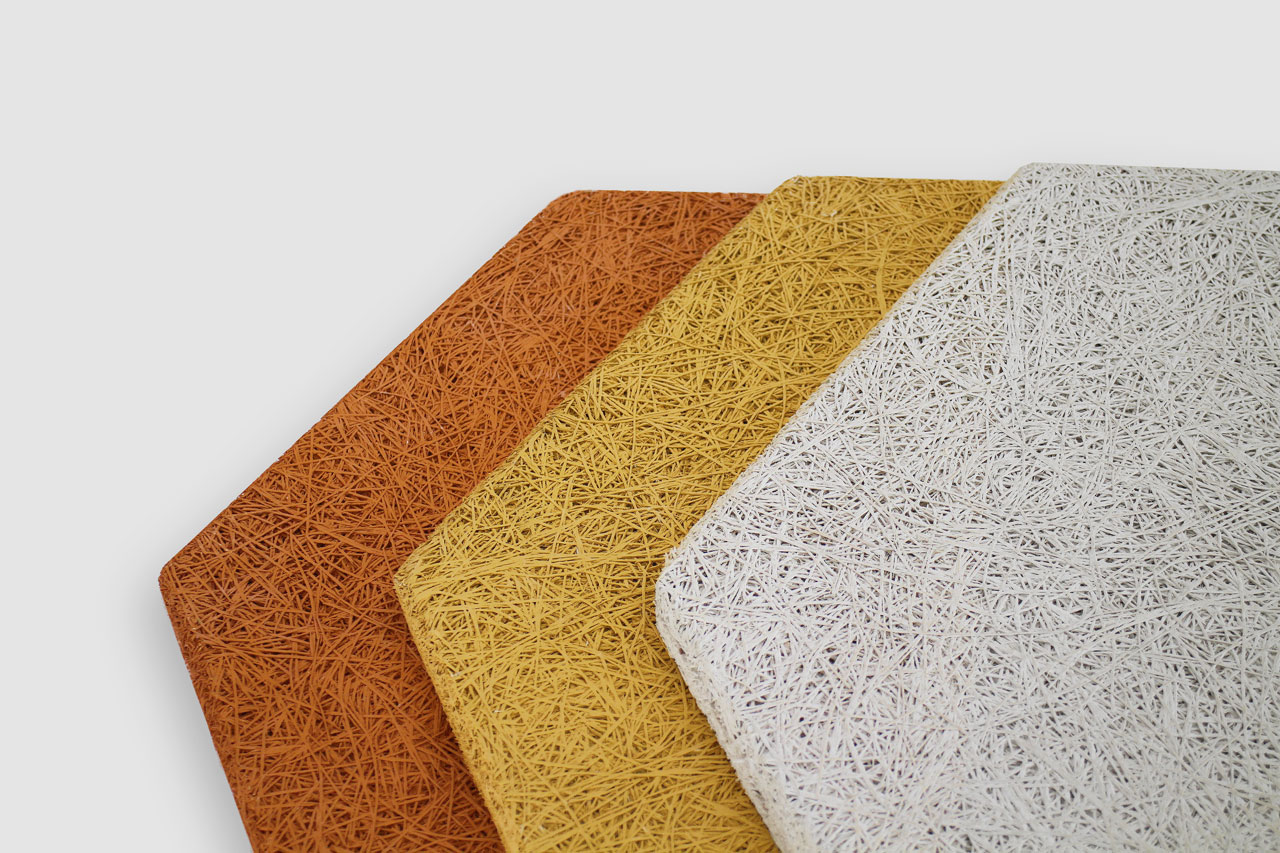
Fire safety is a fundamental requirement in contemporary architecture, particularly for interior linings and ceiling systems that contribute significantly to surface area and fire load. In acoustic applications, materials must balance sound absorption with predictable fire behaviour. Fire-rated wood wool panels by Ljuds™ address this dual requirement by combining mineral-bound wood fibres with tested fire performance under EN 13501-1, enabling architects to integrate acoustic treatments without compromising regulatory compliance or design intent.

Understanding EN 13501-1 Fire Classification
Reflections and Reverberation
EN 13501-1 provides a harmonised European system for classifying the reaction to fire of construction products. Materials are rated from A1 (non-combustible) to F (no performance determined), with additional classifications for smoke production (s1–s3) and flaming droplets (d0–d2). Wood wool panels typically achieve classifications within the B–C range when mineral binders are used, indicating limited contribution to fire growth¹. For Ljuds™ systems, these ratings define the baseline for safe interior integration.
Material Composition and Fire Behaviour
The fire performance of wood wool panels is strongly influenced by binder chemistry and fibre encapsulation. Mineral binders such as cement or magnesite encapsulate the wood fibres, slowing ignition and limiting flame spread. During fire exposure, the binder layer acts as a thermal barrier, while controlled charring of the wood fibres contributes to predictable behaviour rather than rapid combustion². This composite response underpins the fire ratings achieved by Ljuds™ panels.
Smoke Development and Occupant Safety
Smoke production is a critical consideration in interior fire scenarios, as it directly affects visibility and evacuation time. EN 13501-1 smoke classifications (s1–s3) provide an additional layer of performance assessment beyond combustibility alone. Properly formulated wood wool panels typically achieve lower smoke development classifications, supporting safer egress conditions in education, commercial, and public interiors where Ljuds™ systems are commonly specified.
Fire Performance in the Context of Acoustic Function
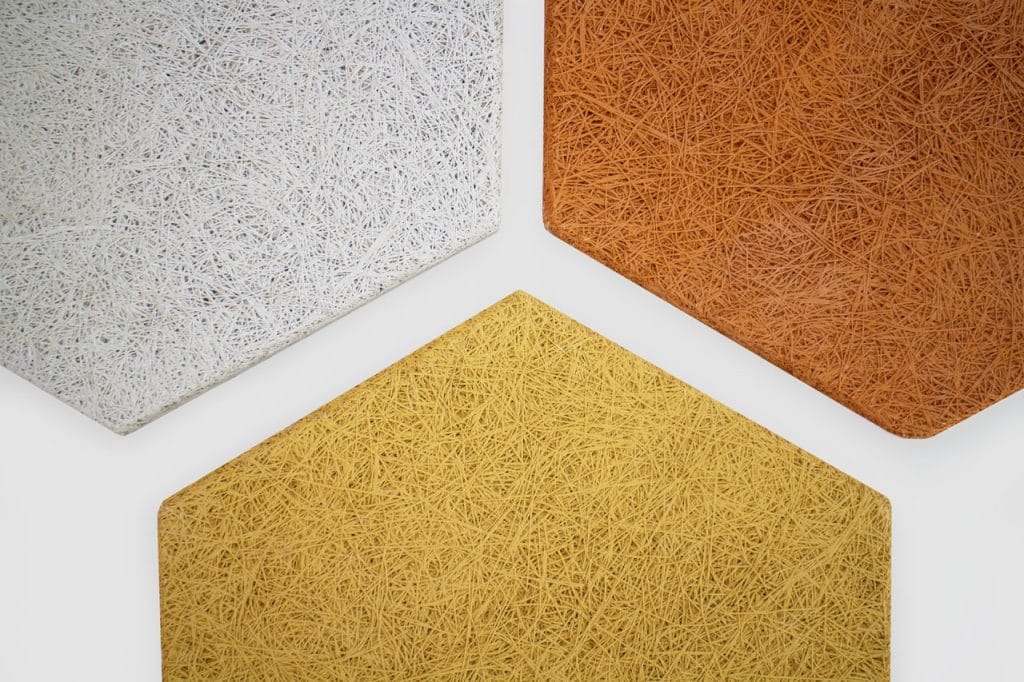
Fire-rated acoustic materials must perform reliably without undermining sound control objectives. Ljuds™ wood wool panels are engineered to retain their porous structure and acoustic absorption characteristics while meeting reaction-to-fire requirements. This compatibility allows designers to meet reverberation and speech intelligibility targets without introducing secondary fire-rated layers that increase system complexity.

Design Integration of Fire-Rated Ljuds™ Panels
Wall and Ceiling Applications in Regulated Spaces
In regulated environments such as schools, offices, and transport facilities, interior linings are subject to strict fire codes. Ljuds™ fire-rated wood wool panels can be integrated into wall and ceiling assemblies where EN 13501-1 compliance is mandatory. Their modular formats support consistent fire performance across large surface areas while enabling acoustic zoning within complex interior layouts.
Coordination with Substrates and Fixing Systems
Fire performance is assessed for complete assemblies rather than individual materials alone. Substrate choice, fixing methods, and backing layers influence the final fire classification. Ljuds™ systems are designed to work with non-combustible substrates and mechanical fixings that preserve tested performance. Clear specification of the tested assembly is essential to ensure that on-site installation aligns with certified fire behaviour³.
Fire Test Reports and Regulatory Confidence
Fire-rated Ljuds™ wood wool panels are supported by accredited fire test reports in accordance with EN 13501-1. These documents provide specifiers with verifiable evidence of reaction-to-fire performance, supporting approvals from authorities having jurisdiction. Transparent documentation reduces risk during design review and simplifies coordination with fire engineers and building control officers.
Integration with Broader Building Standards
Fire performance does not exist in isolation from other regulatory and sustainability frameworks. Ljuds™ panels are often specified alongside requirements for low VOC emissions, material transparency, and environmental reporting. Aligning EN 13501-1 fire ratings with Environmental Product Declarations (EPDs) and Health Product Declarations (HPDs) enables a holistic specification approach that addresses safety, health, and environmental impact concurrently⁴.

Balancing Fire Safety and Acoustic Design with Ljuds™
Fire-rated wood wool panels by Ljuds™ demonstrate that acoustic comfort and fire safety need not be competing objectives. Through mineral-bound composite construction and verified EN 13501-1 testing, these systems deliver predictable reaction-to-fire behaviour while supporting effective sound absorption and design flexibility. When integrated thoughtfully with substrates, fixings, and broader building systems, Ljuds™ panels enable architects to meet stringent fire regulations without resorting to visually or acoustically compromising solutions. As building codes continue to tighten and performance expectations rise, the role of fire-rated acoustic materials will become increasingly central. Ljuds™ wood wool panels offer a balanced, evidence-based approach—combining safety, durability, and acoustic performance in a single, specification-ready system that supports both regulatory compliance and high-quality interior design⁶.
References
EN 13501-1:2018 (2018). Fire classification of construction products and building elements. European Comittee for Standardization.
Drysdale, D. (2011). An Introduction to Fire Dynamics. Wiley, 3rd Edition.
ISO 1716:2018 (2018). Reaction to fire tests for products — Determination of the gross heat of combustion. European Committee for Standardization.
ISO 16000-9:2024. (2024). Determination of the emission of volatile organic compounds. Focal Press.
U.S. Green Building Council (2023). LEED v4.1 Building Design and Construction. Architectural Press.
Share