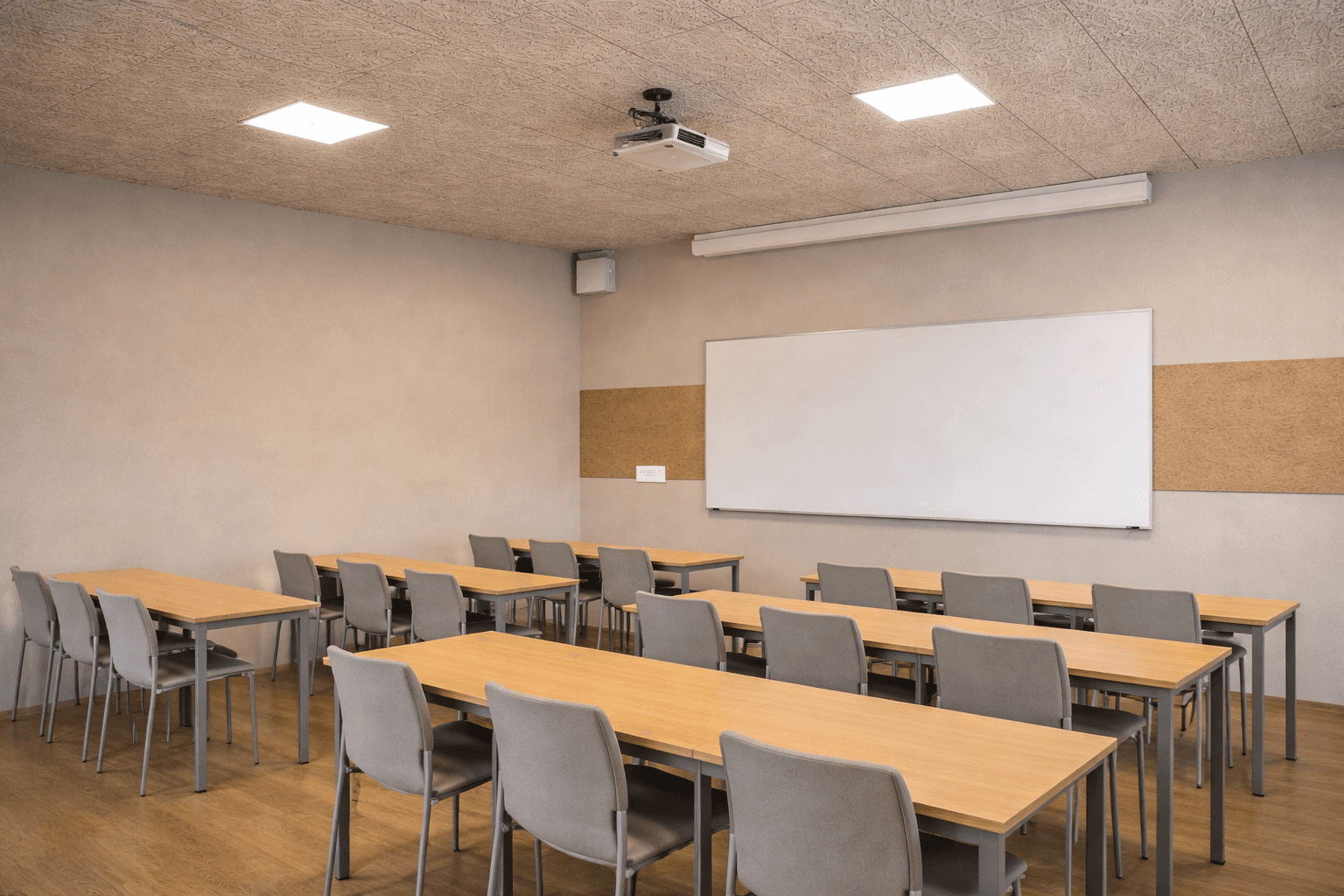
Acoustic Performance as a Foundation for Learning Environments
Acoustic comfort is a fundamental determinant of educational quality, influencing speech intelligibility, concentration, and cognitive development. In classrooms, lecture theatres, and collaborative learning spaces, poor acoustics can undermine teaching effectiveness and student outcomes. Wood wool interior cladding has gained prominence in education projects as a robust acoustic solution that balances sound absorption, durability, and healthy material composition, making it well suited to the functional and regulatory demands of learning environments.
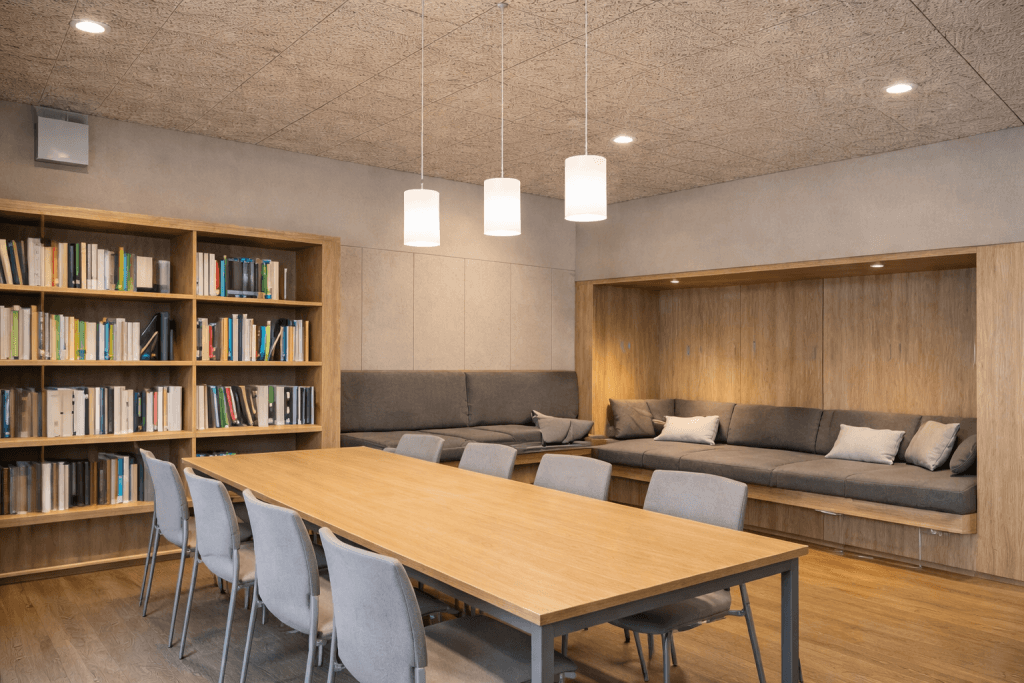
Acoustic Challenges in Education Spaces
Speech Intelligibility and Reverberation Control
Clear verbal communication is essential in education settings, where spoken instruction remains the primary mode of knowledge transfer. Excessive reverberation reduces speech intelligibility, particularly for younger students and non-native language learners. Wood wool acoustic panels, when installed with appropriate backing cavities, effectively absorb mid- and high-frequency sound energy, helping to achieve recommended reverberation times for classrooms and lecture spaces¹. This targeted absorption supports clearer teacher–student communication without over-damping the room.
Background Noise and Cognitive Load
Persistent background noise from HVAC systems, adjacent spaces, and outdoor sources increases cognitive load and reduces learning efficiency. Research has shown that children are particularly sensitive to noise-related distraction and fatigue². Wood wool interior cladding contributes to overall noise reduction by limiting sound build-up within the space, creating calmer acoustic conditions that support sustained attention and reduced listening effort throughout the school day.
Inclusive Design and Hearing Accessibility
Educational environments must accommodate diverse hearing needs, including students with hearing impairments or auditory processing challenges. Improved room acoustics enhance accessibility by reducing echo and masking effects that interfere with assistive listening devices. Wood wool panels provide consistent acoustic absorption across large surface areas, supporting inclusive design strategies aligned with universal design principles and educational equity goals.
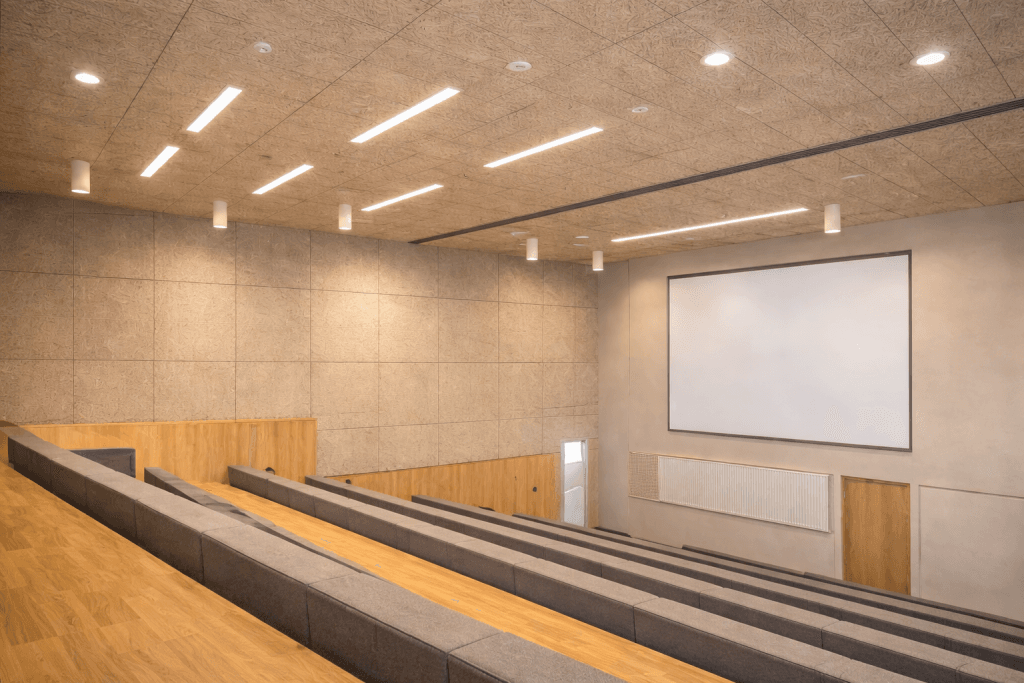
Performance-Based Design Using Wood Wool Cladding
Optimising acoustic comfort in education spaces requires a performance-based approach that aligns material selection with room geometry, occupancy, and pedagogical use. Wood wool panels offer predictable acoustic behaviour when tested under standardised conditions, enabling designers to model and specify solutions with confidence. Their modularity allows absorption to be distributed across walls and ceilings, addressing both early reflections and overall reverberation control.
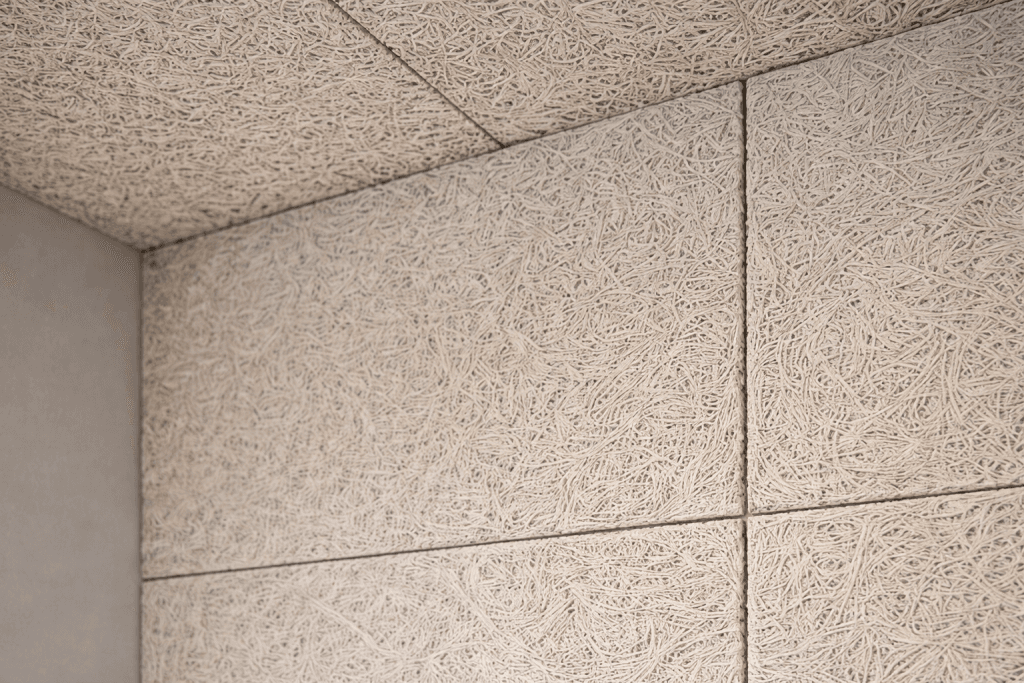
Specification Strategies for Educational Interiors
Panel Placement and Surface Coverage
The placement of speakers plays a critical role in how sound is distributed throughout the theater. Careful positioning ensures that sound reaches all audience members evenly, avoiding areas of excessive loudness or inadequate coverage. Additionally, advanced speaker technologies, such as line arrays and digital signal processing, can further optimize sound delivery and tailor the audio experience to the specific theater space.
Durability, Safety, and Maintenance Considerations
Education facilities demand materials that withstand frequent use and occasional impact. Wood wool panels are valued for their mechanical robustness compared to more fragile acoustic products. Their mineral-bonded composition supports impact resistance and fire performance classifications under EN 13501-1, making them suitable for high-traffic school environments⁴. Easy maintenance and replaceable modular panels further support long-term operational efficiency.
Indoor Air Quality and Low-Emission Materials
Healthy indoor air quality is closely linked to student wellbeing and attendance. Wood wool panels are typically manufactured with low-emission binders and finishes, supporting compliance with indoor air quality standards and reducing exposure to volatile organic compounds (VOCs)⁵. Their use aligns with health-focused design strategies that recognise the cumulative impact of material emissions in densely occupied learning spaces.
Environmental Transparency and Responsible Sourcing
Sustainability is an increasingly important consideration in public education projects. Wood wool panels produced with FSC® Chain of Custody certified wood fibres and supported by Environmental Product Declarations (EPDs) provide transparent data on environmental impact and sourcing. This documentation supports responsible procurement while aligning acoustic optimisation with broader sustainability and stewardship objectives within the education sector⁶.
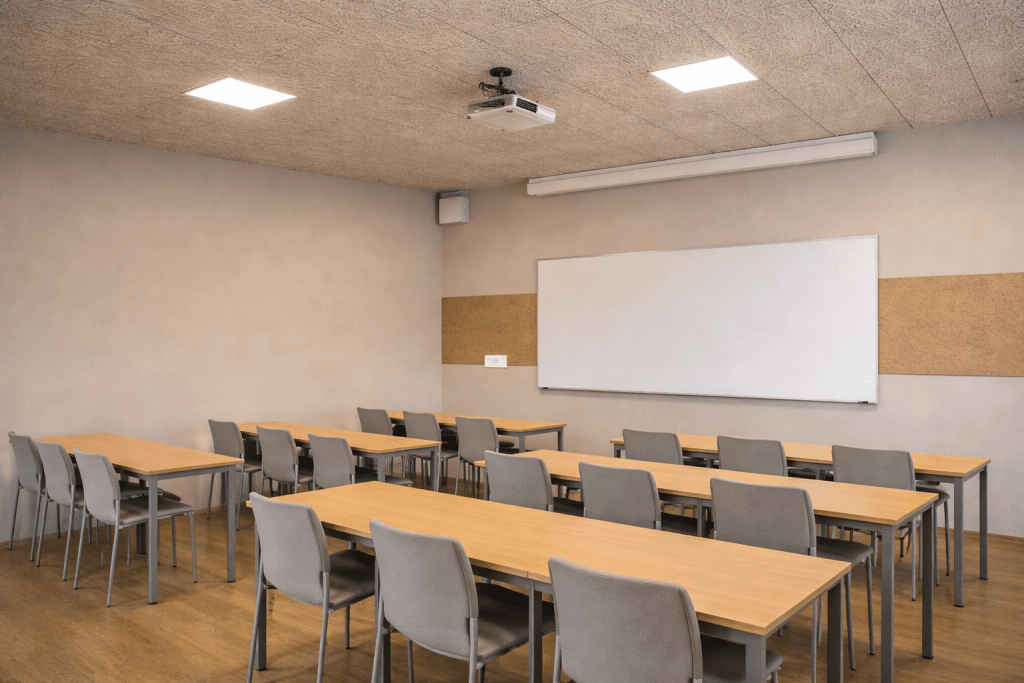
Creating Effective Learning Environments Through Acoustic Design
The optimisation of acoustic comfort using wood wool interior cladding represents a convergence of performance, durability, and health-conscious material selection in education design. By addressing reverberation, background noise, and speech clarity, wood wool panels directly support teaching effectiveness and student engagement. Their robustness and low-emission composition make them particularly suitable for schools, universities, and early learning centres where long-term performance and occupant wellbeing are paramount. When specified using performance data and supported by environmental documentation, wood wool acoustic systems enable education spaces to meet regulatory requirements while fostering inclusive, calm, and productive learning environments. As awareness of the relationship between acoustics and educational outcomes continues to grow, wood wool interior cladding is likely to remain a key component in evidence-based design strategies that place students and educators at the centre of the built environment⁷.
References
ISO 3392-2:2008 Acoustics (2008). Measurement of room acoustic parameters — Part 2: Reverberation time in ordinary rooms. International Organization for Standardization.
Shield, B., & Dockrell, J. (2003). The effects of noise on children at school. Journal of Building Acoustics.
ISO 10534-2:2023 Acoustics (2003). Measurement of sound absorption in a reverberation room.International Organization for Standardization.
EN 13501-1:2018 (2018). Fire classification of construction products and building elements. European Committee for Standardization.
ISO 16000-9:2024 – Indoor air (2024). Determination of the emission of volatile organic compounds. International Organization for Standardization.
Sustainability of construction works (2019). Environmental product declarations. European Committee for Standardization
Share